
Two Emergency Room Physician Dads and their Perspective on Homebirth
Oct 26, 2026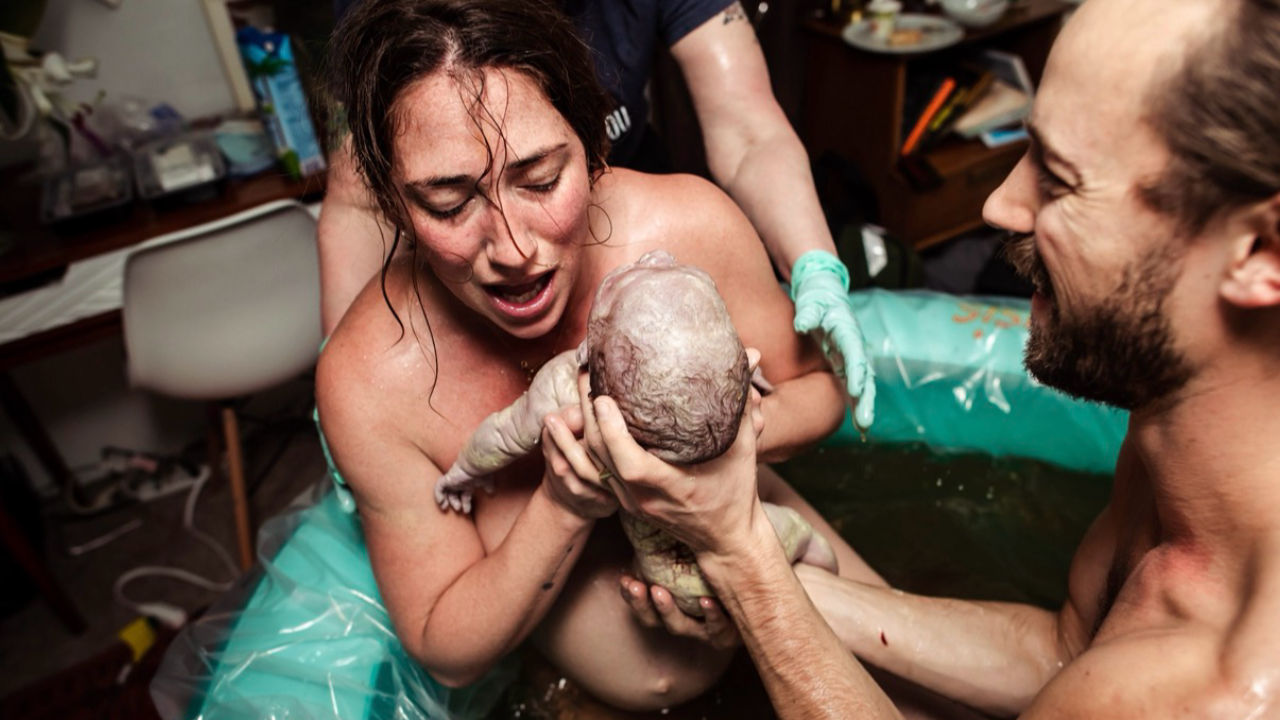
SO MANY CHOICES!
Planning where and with whom you want to give birth is a very impactful decision. Free-standing birth center? Community Hospital? Academic medical center? Large tertiary care setting? At home? Midwife (CPM, CNM, CM)? Family Practice Physician? OBGYN? Doula? There are so many choices. There are so many things that go into this decision, including what type of care feels aligned with your wishes and priorities for your birth, risk factors within your pregnancy, how far you live from a transfer hospital/NICU, your care team's experience, etc.
One factor that is very important is where (and with whom) do you feel safe?
I relished watching the movie Why Not Home? by director Jessica Moore, which explored medical professionals (RN, Family Practice MD, OB-GYN, and NPs) choosing to give birth at home. The interviews were so well done. Jessica herself is an NP who chose to gave birth at home. I loved meeting her and being her roommate at a MANA conference in Atlanta many years ago!
My first baby was born a community hospital with my coworkers and beloved midwife partner. My second baby, I choose to give birth to at home with CPMs. Luckily, my partner was 100% on board and he was actually the first one to suggest it due to Covid restrictions in our local hospitals.
My partner is scientist and thinks very pragmatically, but he has never worked in medicine. Part of me feels like the person giving birth should have the most agency in terms of where she gives birth, but another part of me understands that it is critically important that both parties weigh in. If there are fears (on either side) they need to be addressed.
I have found it fascinating to talk with to two different friends who chose to give birth at home who have ER physician husbands. I wondered about the conversations they had leading up to their births? Their husbands were managing urgent medical scenarios on a daily basis. So I asked them to share their perspectives...

MOLLY and SAM
They gave birth to their first daughter at home and gave birth to their twins in a hospital. I got to know Molly as a local doula and loved getting to know Sam as well through being a part of their twin birth!
Molly's shares her thoughts:
My memory is that Sam was supportive of our homebirth from the start but in chatting with him now, he had a lot of resistance and concern. He was fearful of exposing us to risk and being away from medical care if we needed it. He was very involved in choosing our team and luckily the midwife I really loved ended up being CNM with decades of L&D, nicu and birth center experience. That mattered to him more than “the vibe” I was seeking. He was reassured that we would have pitocin available and vitamin k for the baby and a very thorough transfer plan. It also helped that we were less than a mile from the hospital where he was completing residency. We were very fortunate to have an uncomplicated and peaceful homebirth - Sam even hopped in the birth tub (i asked him to get my water bottle but he thought i said get in the water 😂)! We both look back at Isla’s birth with so much joy and contentment and felt that letting labor progress in our own space and our own time was such a gift.
Now with the twin pregnancy…homebirth was not even on the table and he was very relieved! But we were blessed again with the greatest midwife and birth team in the hospital too.

ANNA and REID
Anna is an dear old friend and roommate from my NYC days! Her husband, Reid, speaks eloquently about their choice to have an out-of-hospital birth.
Reflections on Midwife-Led Birth
As an emergency physician, I understood both the extraordinary capabilities of modern obstetric medicine and the consequences of not having them immediately available. A hemorrhage, obstructed labor, or newborn requiring advanced resuscitation can turn a low-risk birth into an emergency within minutes. That possibility was our greatest concern about delivering outside a hospital, even with an experienced midwife and a clear transfer plan.
But I also worried about how hospital environments can shape the course of labor. Bright lights, alarms, interruptions, institutional protocols, and time pressures can encourage intervention before it is truly necessary. I wanted mother and baby to have their own time to dance, to find their rhythm without an imposed timetable.
In 2024, 26.6% of first-time, full-term, singleton, head-first births in the United States ended in cesarean delivery. A major Cochrane review also found that midwife-led continuity of care modestly reduced cesarean births compared with other models of maternity care. Countries such as Sweden, where midwives play a central role in maternity care, have also demonstrated excellent maternal and neonatal outcomes.
Of course, these comparisons involve selection bias and differences in healthcare systems. They don’t prove that every intervention is avoidable or that home birth is inherently safer. But they do suggest that how we organize maternity care matters, and that more medical intervention does not necessarily translate into better outcomes.
For our family, the balance favored experienced midwives who respected the physiology of birth, allowing mother and baby the time and space to find their own rhythm. We recognized that rare, catastrophic complications could arise and that even five or ten minutes to a hospital could be consequential. But for otherwise low-risk pregnancies, with experienced midwives, appropriate screening, and clear emergency transfer plans, we felt comfortable with that balance.
Our three children were born in three different settings: a freestanding birth center, at home, and in a hospital, each attended by a different midwife.
My preference remains firmly with midwife-led care for most uncomplicated pregnancies, provided there is appropriate risk assessment and a clear, practiced path to emergency services.
To me, the goal isn’t birth without medicine. It’s birth with the right medicine, at the right time.
Supporting research:
CDC, Births: Final Data for 2024. Reports a 26.6% cesarean rate among first-time, term, singleton, vertex births, compared with approximately one-third of all U.S. births.
Cochrane Review (2024), Midwife Continuity of Care Models Versus Other Models of Care for Childbearing Women. Found that midwife-led continuity models likely modestly reduce cesarean deliveries and increase spontaneous vaginal births.
Join the "Natal Well" Monthly Newsletter
Receive a monthly newsletter all about pregnancy, parenting, research updates, and holistic health.
I will never spam you!
